Periods. That time of the month that most women dread. A time where there is a high chance of mood swings, headaches and cramps.
The symptoms are bad enough as it is, without having to add the extra worry about leaking. For many, wearing white is out of the picture for at least five days.
But imagine if your career depended on your body being at its absolute best, which may not be the case if you’re on your period.
John Brewer, Pro Vice-Chancellor of Global Engagement at St Mary’s and former sports science and sports injury expert at Lilleshall National Sports Centre, agrees that an athlete’s performance is affected by their period, especially at an elite level.
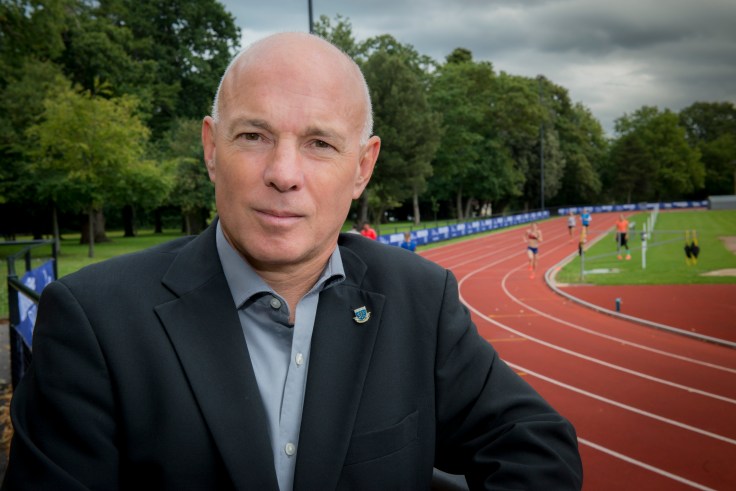
He said: “The difference between success and failure and the highest level is very very small, it can be fractions of a second, fractions of a percentage point in terms of performance.
“So, at the elite level, if you’re feeling off-colour, if you’re not feeling right, if you’ve got stomach cramps or if you’ve lost iron, therefore, you’re slightly anaemic then all these things can combine to reduce your performance.”
John’s colleague, Dr Charles Pedlar, Reader of Applied Sports and Exercise Science at St Mary’s University, has said that women are more likely to get injured depending on where they are in their cycle.
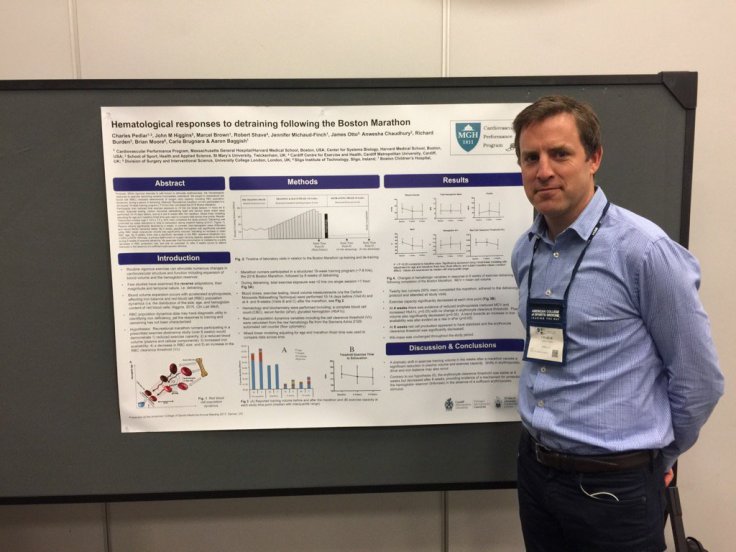
He said: There’s quite a clear relationship between periods and injuries. If you plot all ACL injuries in women against the time of their cycle, there was a huge spike around ovulation. There are a number of days in a cycle where you are certainly a higher risk of injury.
Charles added: The reason is that there is a spike in oestrogen which results in a looser joint and ligament laxity so there’s a higher level of flexibility that means that there is less stability in the joint.
It’s worry that many female athletes have to deal with every month, and with limited research about it, there’s not much they can do to help it. It’s almost like a taboo subject.
However, people are starting to realise that periods do have an effect on performance during sport and are looking into ways to help improve their performance and work around it.
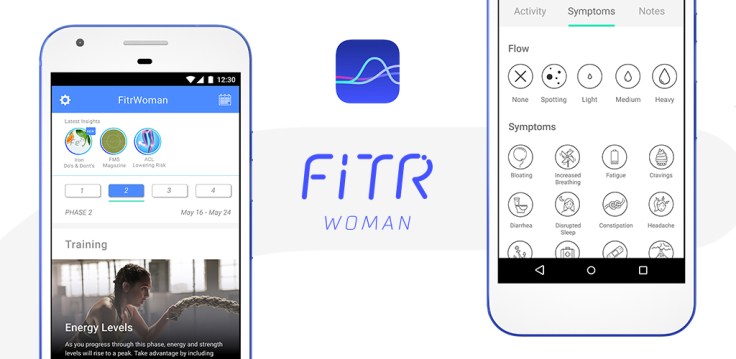
Georgie Bruinvels created the app FitrWoman with Orreco’s product development manager, Gráinne Conefrey, with the hopes of keeping more women in sport.
Studies show that a lot of girls drop out of sports around the time they hit puberty, and one study even found girls are uncomfortable playing sports during their period.
Georgie Bruinvels wrote in an article for The Guardian that as a young athlete she was “horrified” at the thought of starting her menstrual cycle.
She said: “I was anxious that it would get in the way of my ability to take part in sport, and was terrified of anyone finding out. I wish I had known then what I know now, and I am determined to help the next generation and offer the tools to support them.”
The app allows women to adapt their training and nutrition needs around their menstrual cycle by providing evidence-based training and nutritional advice based on the changing hormones in a woman’s body.
Esther Goldsmith, a FitrWoman assistant, said that women kept coming up to Dr Georgie Bruinvels while she was doing her PhD with problems about their periods and she was overwhelmed by the fact that women wanted to talk about their periods, but having nowhere to discuss it.
She said: So they went to the CEO of Orrecco, Dr Ryan Moore, and he gave them a small amount of money to get started with the app.”
“There’s quite a lot of sports science evidence that shows that at different times of the cycle, different training might be more advantageous, your metabolism shifts throughout and things like recovery, risk of injury and illness are also likely to be affected by fluctuations in hormones.
“So, we’ve put all this information into an accessible format […] the app will let the woman know what phase of the cycle they’re in […] there are provided with advice about things they might want to consider during exercise.”
With this new technology being created to help women on their periods, does this mean that it is no longer considered a taboo subject?
In recent years, many athletes have been outspoken in saying that they did not perform as well due to being on their periods.
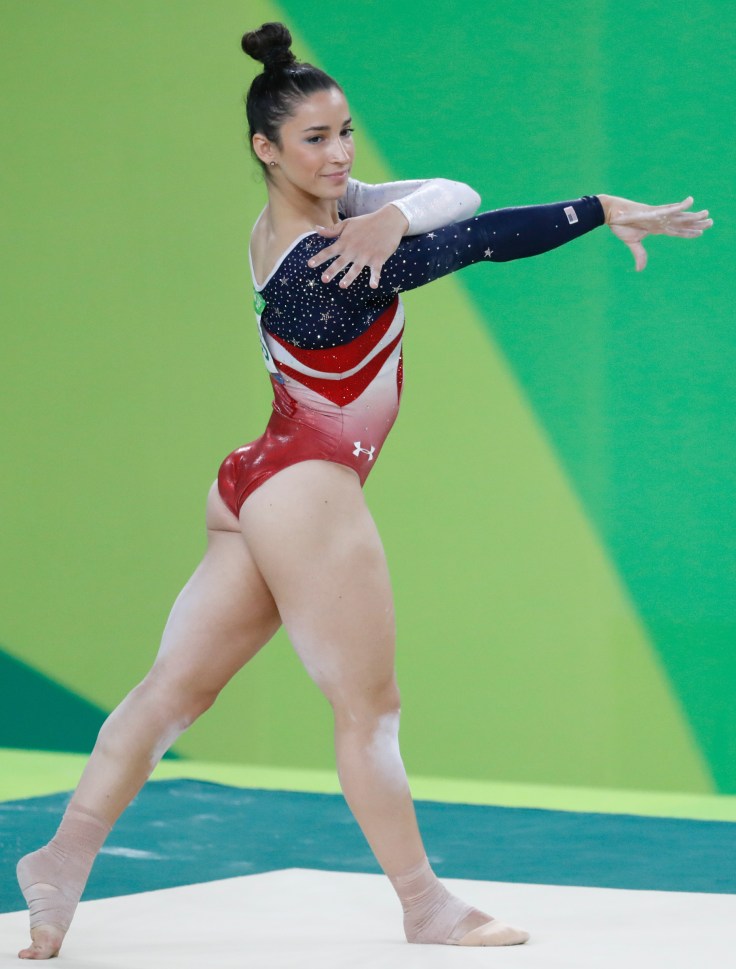
Aly Raisman said in an interview to Cosmopolitan that her period can make it difficult to even get out of bed let alone competing at a high level. Chinese swimmer, Fu Yuanhui, said that she didn’t perform as well in the 4x100m medley relay at the Rio Olympics because she started her period the day before.
She said: “It’s because my period came yesterday, so I felt particularly tired – but this isn’t an excuse, I still didn’t swim well enough,”
At the 2015 Australian open, British tennis player Heather Watson blamed “girl things” after her first-round defeat and although she never said the word “period” it was close enough. But why did she have to say “girl things” why could she not be outright and say period?
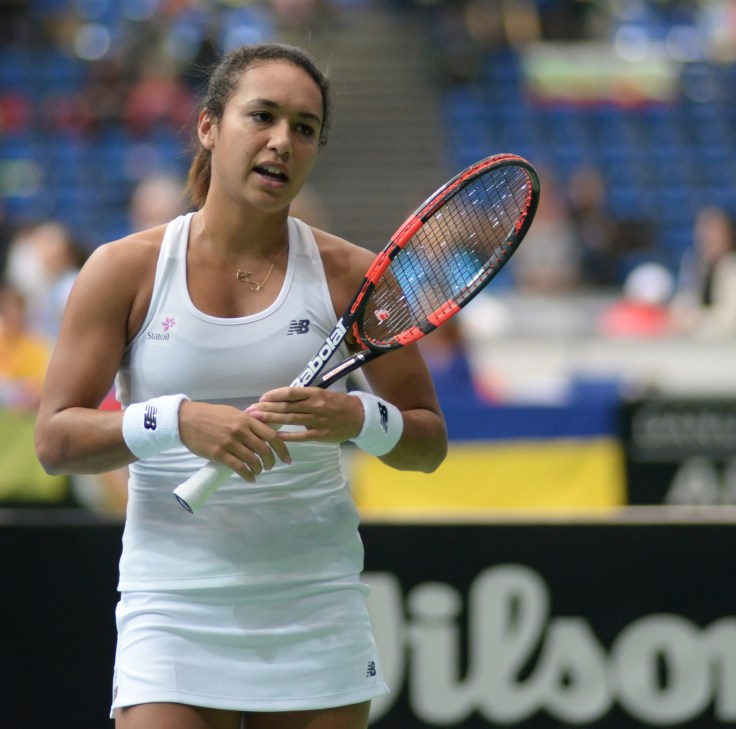
Unfortunately to admit that you’re on your period is embarrassing, it’s a sign of weakness. Too often having a period is regarded as an “excuse” when in reality it can be the difference between a match lost and won.
Chloe Gregory, a London Pulse NPL athlete, said: “I would never say that I was on my period for a game because I wouldn’t want people to think that I was using it as an excuse.”
Periods are definitely not a taboo subject anymore and their effect on performance are being more widely researched and spoken about but as a whole, we are not at that stage where women can talk about it freely without having to worry about offending someone.
Listen to the full interview with John Brewer here.
 Women United